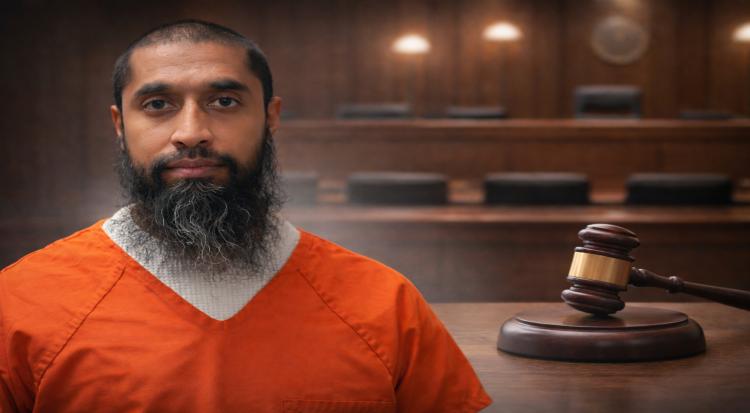
Wisam Sharieff, a former Quran teacher and imam known online for Arabic lessons, was sentenced to 80 years in federal prison for conspiring in a child sexual exploitation and pornography ring. The Minnesota court convicted him after evidence showed he possessed and shared thousands of explicit images of minors, including toddlers.
Prosecutors detailed Sharieff's role in online groups trading material, using encrypted apps to evade detection. He targeted vulnerable children globally, authorities said. Defense argued his teachings were legitimate, but jurors rejected claims of ignorance. Victims' families hailed the verdict as justice served.
The case highlights risks in online religious instruction, prompting calls for stricter platform oversight. Sharieff, once popular on YouTube, now faces lifetime supervision post-release. Federal probes continue into accomplices. Community leaders condemned the abuse while defending broader Islamic education efforts.
People Question Judicial Double Standards?
Recent non-Muslim cases show lighter sentences for similar crimes by authority figures: Aaron Mirtsching (Christian youth pastor/teacher) got 30+ years; Leo Norman (Catholic school teacher) received 14 months for grooming students; John Roberts (ex-vicar) added 4 years to prior term.
Of course, no one supports Sharieff's actions, but critics highlight double standards and hypocrisy in sentencing—80 years for a Muslim offender vs. far less for non-Muslims in comparable trust-position abuses, raising questions on bias in judicial outcomes.