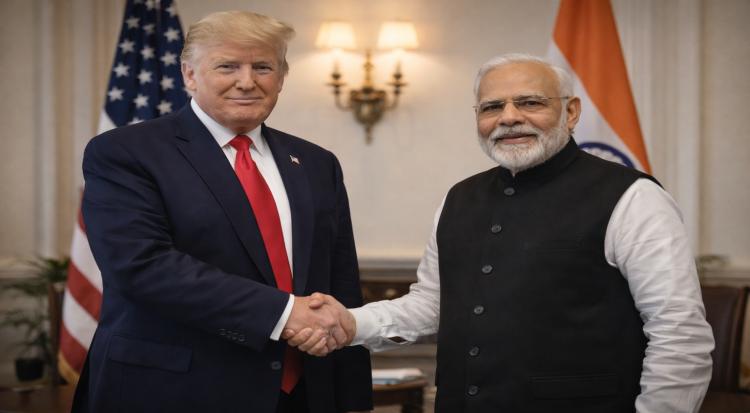
The United States reduced steel and aluminum tariffs on India from 25% to 10% in a January 2026 trade agreement announced by the Trump administration, marking a significant de-escalation after years of tensions. In reciprocation, India lowered duties on US textiles and auto parts from 30% to 18%, alongside easing digital service taxes affecting American tech firms. The deal, finalized during New Delhi talks, aims to boost bilateral trade toward $500 billion annually by 2030.
Commerce Secretary Howard Lutnick hailed it as "win-win," noting India's compliance with USMCA-like rules curbed Chinese steel dumping via third countries. India's Commerce Minister Piyush Goyal emphasized market access gains for pharmaceuticals and whiskey exports, previously hit by 150% duties. Exclusions apply to certain specialty steels amid national security concerns.
The agreement follows Trump's 2025 reelection pledge to renegotiate "unfair" deals, building on 2023 mini-pacts. Critics argue it favors US manufacturers over consumers facing higher prices, while India eyes WTO challenges dropped as goodwill. Trade volumes rose 12% in 2025; both sides target deficit reduction—US at $36B, India pushing defense/liquefied natural gas purchases. Implementation starts March 2026.