(Picture attributed to Reuters, X, the Guardian)
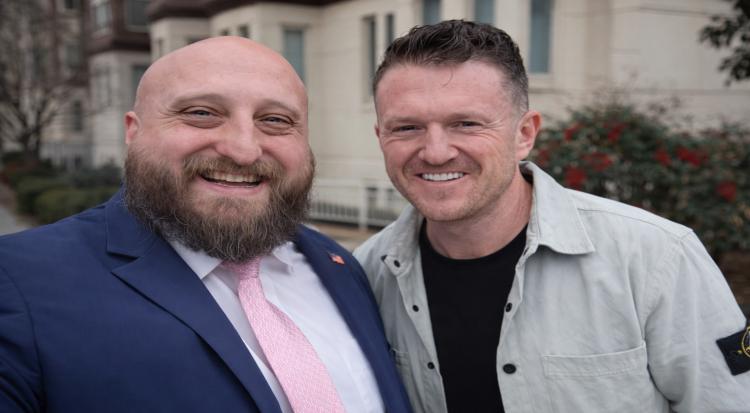
A meeting between members of the Trump administration and British far-right activist Tommy Robinson on 25 February 2026 has sparked criticism on both sides of the Atlantic, with opponents questioning the decision to engage with a figure known for anti-Islam rhetoric.
Robinson, whose real name is Stephen Yaxley-Lennon, has long been associated with nationalist and anti-immigration campaigns in the United Kingdom. He has previously faced multiple legal convictions and has been described by critics as a polarising figure in British politics.
US officials characterised the meeting as informal and said it did not constitute an endorsement. However, the engagement drew backlash from British lawmakers and rights advocates, who argued that hosting Robinson risked legitimising divisive rhetoric at a time of heightened tensions in the UK.
The meeting comes amid renewed debate in Britain over extremism, immigration and public safety following a series of violent incidents — including riots, vandalism of mosques and reported attacks on Muslims — that have intensified political discourse. Critics say such engagements can carry symbolic weight, even when described as unofficial. Observers note that even informal meetings can confer symbolic legitimacy, particularly when involving figures with a history of inflammatory rhetoric.