Syria's government forces secured full control of Raqqa city and Deir Ezzor province after the Kurdish-led Syrian Democratic Forces (SDF) executed a complete retreat.
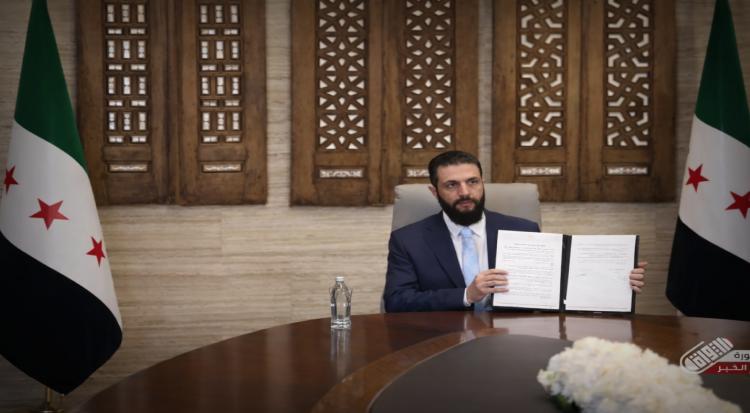
Government troops and the SDF reached an immediate ceasefire on January 18, 2026, ending heavy clashes across Syria's northeast. The Syrian government captured these assets by force during advances with local Arab tribes, as the SDF retreated—formalized later under a 14-point accord transferring all administrative and military control, border crossings, and sites like the al-Omar oil field (Syria's largest), Tabqa, Safyan, and Al-Tharwa in Raqqa and Deir Ezzor.
President Ahmed al-Sharaa called for national unity and dialogue, vowing enhanced security for Kurdish regions and rapid deployment of state institutions. SDF leader Mazloum Abdi plans to meet Sharaa soon, despite weather delays, as vetted SDF fighters integrate into the Syrian army.
Experts assess the ceasefire as devastating for the SDF, stripping away territory, oil revenues, and support from local Arab tribes.
Clashes killed five civilians—including two women and one child—with 27 injured in Aleppo; four civilians died from SDF sniper fire in Raqqa, alongside 10 wounded and four soldiers lost.
Tabqa prisons emptied during the pullout, freeing women and children from a women's facility, though three civilian deaths occurred nearby. On-ground videos depict SDF mass executions of 100-300 people slaughtered; protests surged across Syria against these acts, rallying behind the government. The pact transfers ISIS detainees to Damascus and mandates exit of foreign PKK-linked fighters, cementing central authority.