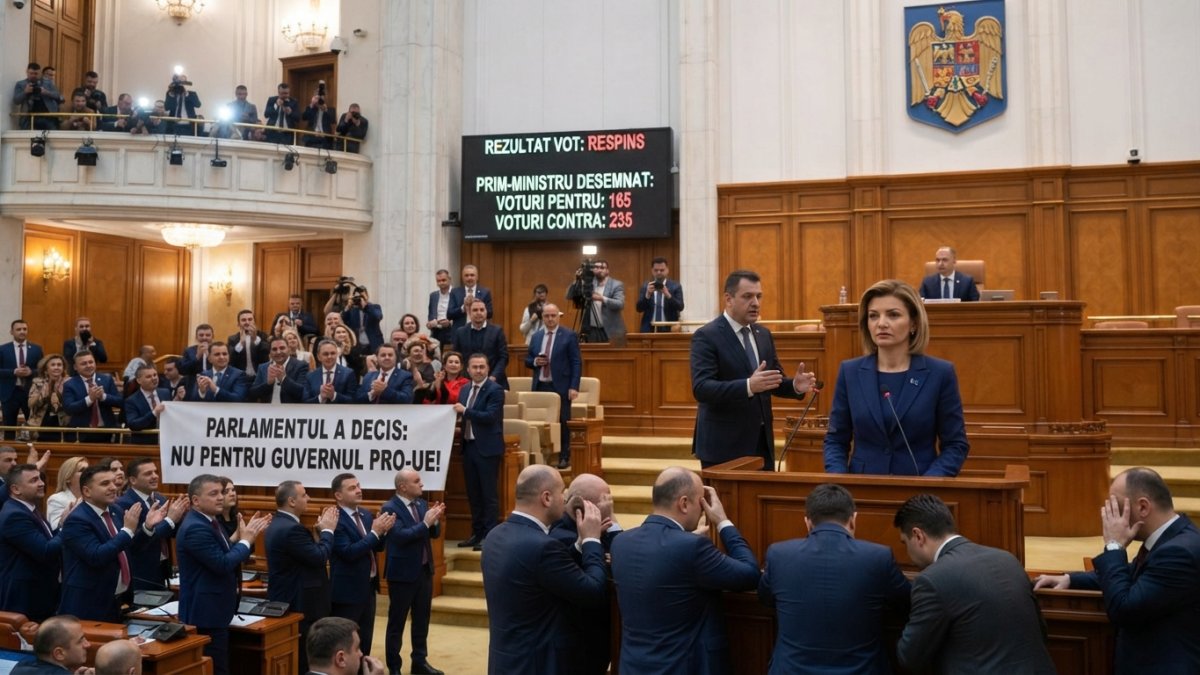
Romania’s parliament has rejected the cabinet proposed by prime minister-designate Siegfried Muresan, prolonging a political crisis over who should lead the country. The failed confidence vote leaves the pro-European parties needing to negotiate another government proposal.
How the crisis developed
The political impasse followed the collapse of the previous coalition in May, when the Social Democratic Party joined opposition forces in removing liberal prime minister Ilie Bolojan. The latest vote means the proposed administration could not secure parliamentary backing.
What happens next
The rejection does not automatically trigger an immediate election. Under Romania’s constitutional process, parliament must reject two proposed cabinets within a 60-day period before the president can dissolve the legislature and call an early election. The first rejection has now occurred, leaving parties room to attempt another nomination and coalition agreement.
The outcome is a setback for pro-European groups and could strengthen anti-establishment parties if negotiations fail. But the immediate question is whether the parties can agree on a cabinet capable of winning confidence. Romania’s president has a central role in nominating a new prime minister, while parliament must approve the government.