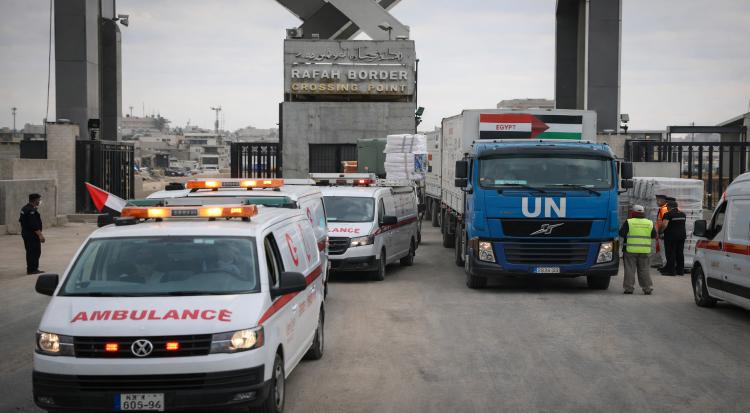
Israel has permitted a limited entry of humanitarian aid convoys through the Rafah border crossing into Gaza following partial truce negotiations in late January 2026, but falls far short of commitments needed to alleviate the ongoing crisis.
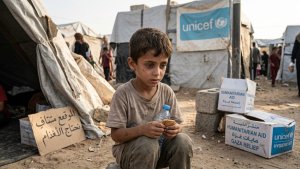
On February 2, just over 200 trucks carrying food, medicine, fuel, and shelter supplies entered via Kerem Shalom after Egyptian coordination and UN agencies' pleas—mere trickle compared to the 600 trucks daily pledged in multiple ceasefire deals since 2023, a target never once met amid persistent blockades, just one of Israel's many ceasefire violations. Palestinian officials and families in Gaza decry the delays as deliberate starvation tactics, with over 90% of 2.3 million residents displaced and facing famine.
The United Nations welcomed the step but condemned it insufficient, noting Gaza's acute hunger where children die daily from malnutrition. Hamas urged vigilance against looting or Israeli restrictions, as past convoys like Egypt's 111th "Zad Al-Ezza" (Jan 7) were similarly hampered. Israel insists on security inspections to block Hamas diversion—citing prior attacks killing aid workers—but critics, including UNRWA, argue inspections serve as pretext for control, averaging under 100 trucks daily versus pre-2023's 500+. Egypt mediated amid U.S. pressure, rejecting privatized mechanisms. From a Palestinian perspective, Rafah's partial opening mocks truce promises while northern Gaza starves.