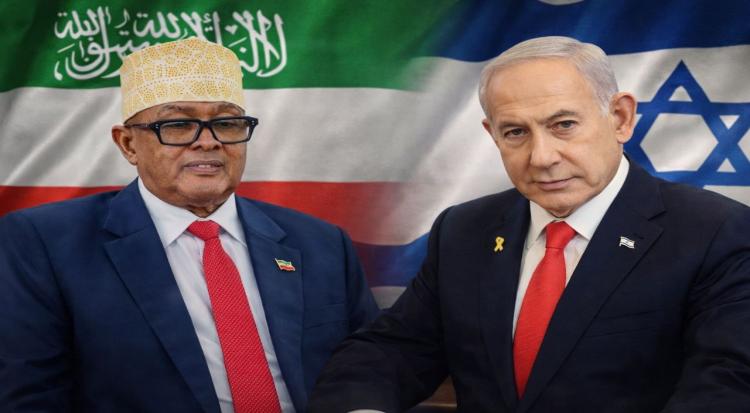
Israel's abrupt recognition of Somaliland as an independent state on December 26, 2025, appears less a gesture of goodwill and more a calculated bid for geopolitical leverage in a volatile region. Prime Minister Benjamin Netanyahu framed the move as aligning with the Abraham Accords, but critics see it as exploiting Somaliland's long quest for legitimacy to secure a Red Sea foothold amid Houthi threats and Gaza fallout. Just days ago, Foreign Minister Gideon Sa'ar visited Hargeisa, fueling talks of military bases and economic pacts that prioritize Israel's security over local stability.
This political ploy ignores decades of African Union consensus against recognizing the 1991 breakaway, risking a Pandora's box of secessions across fragile states. Somalia decries it as sovereignty theft, with protests erupting in Mogadishu and ministers alleging plans to offload Palestinians—claims Israel denies but which amplify Arab League outrage. Meanwhile, Ethiopia-UAE ties strain, al-Shabaab leverages the controversy, and powers like Turkey, Egypt, and Saudi Arabia warn of Red Sea chaos, all while Somaliland's people grapple with isolation deepened by this opportunistic alliance. Netanyahu's gambit may yield short-term gains, but it sows long-term Horn of Africa discord.