During the third day of Eid al‑Fitr, a Muslim holiday meant for celebration and family gatherings, Israeli forces carried out fresh strikes across the Gaza Strip, killing at least four Palestinians and wounding several others, Palestinian officials and medics reported. The attacks came amid a larger pattern of continuing strikes in Gaza despite an officially declared truce late last year.
According to Palestinian health authorities and local emergency services, a police vehicle in the Nuseirat refugee camp in central Gaza was hit, and at least three officers were killed and ten others wounded. Another strike in Sheikh Radwan in northern Gaza City killed an additional Palestinian and injured others, illustrating that Eid this year, like last, was overshadowed by violence rather than peace.
Even though a ceasefire agreement was announced in October 2025, which was supposed to halt major hostilities and bring relief to civilians after years of devastating conflict, the bloodshed has continued. Numerous reports from Gaza’s health ministry and local media indicate that Israeli strikes and operations since the truce began have killed hundreds of Palestinians and wounded many more. Some reports put that figure at around 680 Palestinians killed and over 1,800 injured since October’s ceasefire.
For many ordinary Gazans, these numbers reflect a grim reality: the so‑called ceasefire has often been little more than a pause in the headline fighting, while airstrikes, drone attacks, artillery fire, and other operations continue to claim civilian lives.
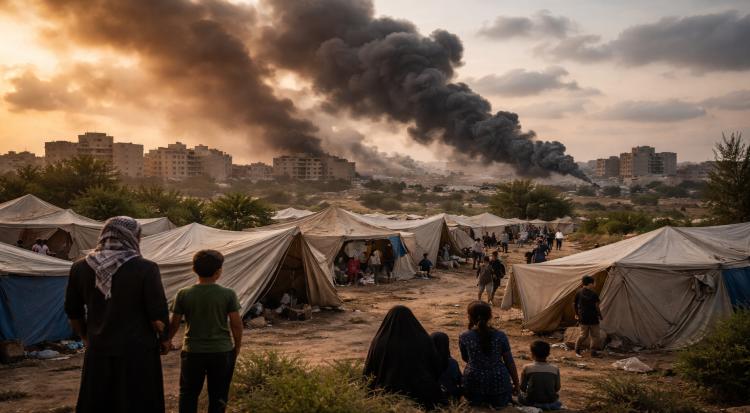
In Gaza’s dense urban neighborhoods and refugee camps, Eid is normally a time of joy — communal prayers, visits with relatives, and shared meals. But this year, as in previous years of the conflict, many families spent the holiday mourning lost loved ones or rushing the wounded to overcrowded hospitals.
Local residents say that recurrent strikes far from any declared truce line, including in crowded civilian areas, have left communities in fear and grief, adding to the broader humanitarian crisis that has gripped Gaza for years. Health facilities are strained, emergency services are overwhelmed, and the psychological toll on children and adults alike is profound.
The ongoing violence has compounded Gaza’s already severe humanitarian situation. Even during ceasefire periods, limited access to clean water, food, fuel, and medical supplies has exacerbated suffering. Aid agencies have repeatedly warned that civilians remain at risk not only from active strikes but also from the breakdown of essential services and the destruction of infrastructure.
For many Palestinians in Gaza, the Eid holiday — instead of being a time of peace and celebration — has become a painful reminder of the unceasing impacts of conflict and occupation, as families struggle with loss, trauma, and uncertainty about what comes next.