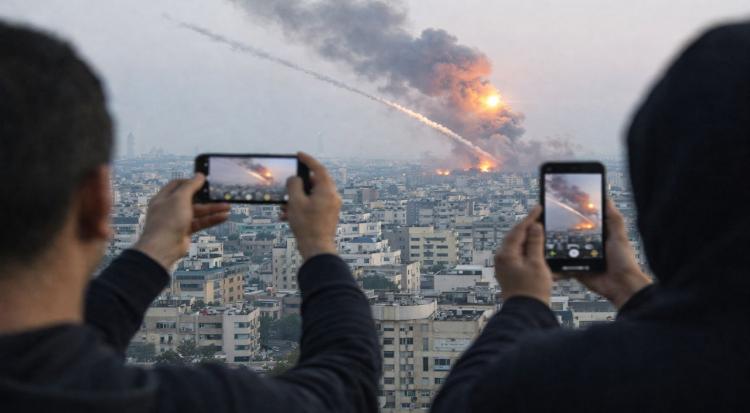
Israeli authorities have tightened restrictions on filming and publishing footage of missile impact sites during the ongoing conflict with Iran, citing national security concerns.
Under the measures, journalists and civilians are warned against sharing images or videos that reveal the exact locations of missile strikes or sensitive infrastructure. Israeli officials say such footage could help adversaries adjust targeting in future attacks.
The restrictions come as Israel faces repeated missile and drone launches linked to the escalating confrontation with Iran. Several strikes have hit areas across the country in recent days, prompting emergency responses and heightened security measures.
Officials argue the rules are necessary to prevent sensitive information from spreading online in real time. Similar wartime censorship rules have been used in previous conflicts to limit the disclosure of military or strategic locations.
However, critics, including some journalists and civil rights advocates, say the restrictions could limit transparency and make it harder for reporters to document the full impact of the attacks.
The debate highlights the tension between national security concerns and press freedom during periods of conflict. Some media outlets have also reported that people who film or share footage of missile impact sites could face prison sentences of up to five years. However, this claim has not been widely confirmed by major international news organisations.