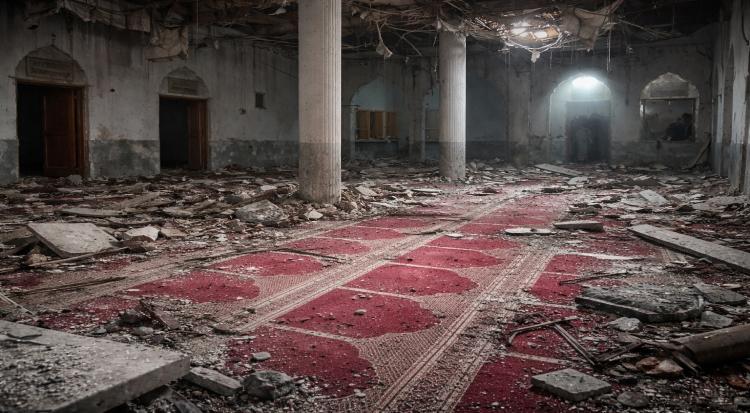
A suicide bomber struck a Shia mosque in Pakistan's capital Islamabad, during Friday prayers on February 6, 2026, killing at least 45 people and wounding over 160 in the latest sectarian attack. The assault occurred in a restive border region where Sunni militants frequently target minority Shia gatherings.
Pakistani officials condemned the bombing, vowing to pursue the perpetrators, widely believed to be from anti-Shia groups like Lashkar-e-Jhangvi. The death toll rose from initial reports of 28 as more victims succumbed to injuries, with hospitals overwhelmed by casualties.
Shia leaders demanded stronger government protection, citing repeated failures to secure religious sites amid ongoing sectarian strife. Authorities imposed a curfew and launched a manhunt, while community elders called for calm to prevent reprisals. Pakistan has conducted extensive military operations against militants, yet similar incidents persist — 699 attacks in 2025 alone (a 34% rise). The violence continues despite government efforts.
The Islamic State (ISIS) has claimed responsibility for the suicide bombing via its affiliated channels, stating one of its militants targeted the Shia congregation during Friday prayers. Pakistani authorities confirmed the attacker detonated an explosive vest after opening fire at the mosque entrance, amid ongoing investigations into cross-border militant links.