Iran Formalises Strait of Hormuz Control as US Faces Mounting War Costs
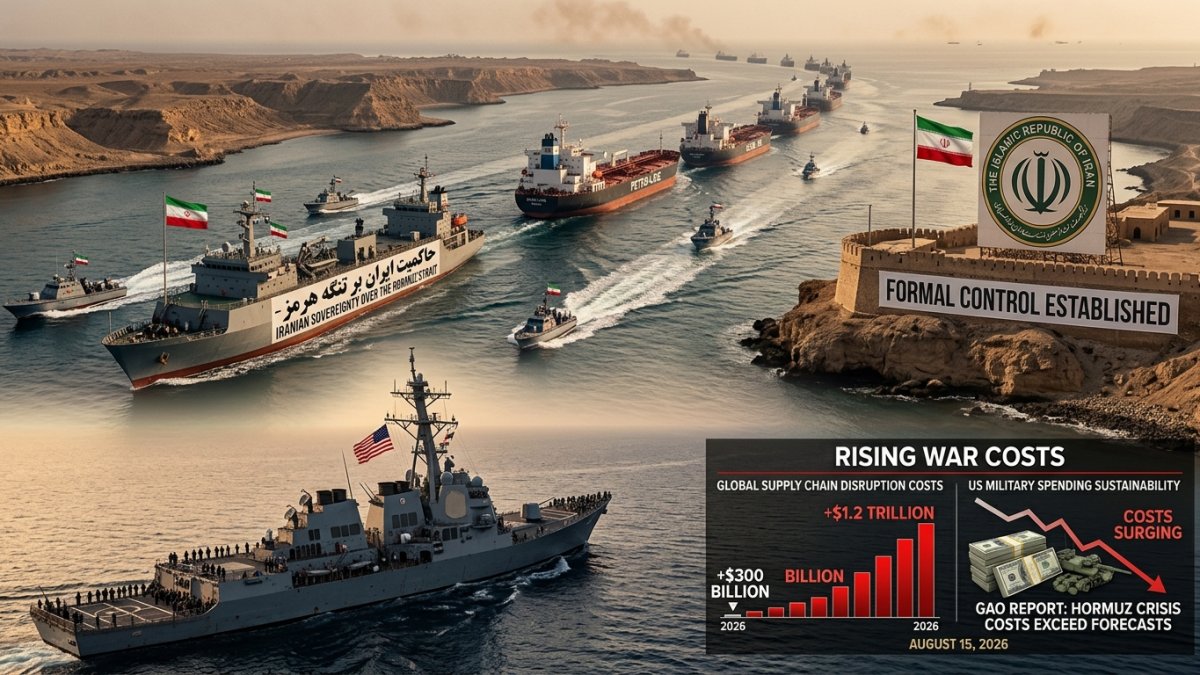
Iran is moving to formalise its control over the Strait of Hormuz as Washington threatens tougher sanctions and an indefinite naval blockade, while struggling with the growing military and economic costs of the war.
An Iranian parliamentary committee has approved the outline of a strategic plan covering security and development in the Strait of Hormuz and the Persian Gulf. The proposal would restrict vessels and equipment belonging to the US, Israel and other countries Tehran considers hostile.
Iran’s Revolutionary Guard Navy has also reiterated that it controls movement through the waterway. Shipping data shows traffic remains sharply reduced, with only nine commodity vessels recorded passing through Hormuz on Thursday, compared with an August daily average of about 12.
The confrontation is already affecting global energy markets. Brent crude rose above $88 a barrel, while West Texas Intermediate climbed above $82 after Washington said it could maintain its naval blockade indefinitely.
US Treasury Secretary Scott Bessent has threatened what he described as unprecedented economic isolation against Iran. Tehran, meanwhile, is seeking alternatives to Western financial institutions and says it plans to join the BRICS-backed New Development Bank.
The US military is also facing growing pressure. The USS George Washington is being deployed to replace the USS Abraham Lincoln, whose crew has spent more than 260 days at sea. US lawmakers and sailors’ families have raised concerns about shortages, poor conditions and deteriorating mental health aboard the carrier.
With Hormuz remaining largely under Iranian control, Washington faces a difficult choice between prolonged military pressure and the economic consequences of an extended confrontation.