How Hezbollah Rebuilt Itself for a War of Attrition With Israel
Following the 66-day war in 2024, Hezbollah has significantly reshaped its military structure, command system, and battlefield strategy as it adapts to a prolonged war with Israel.
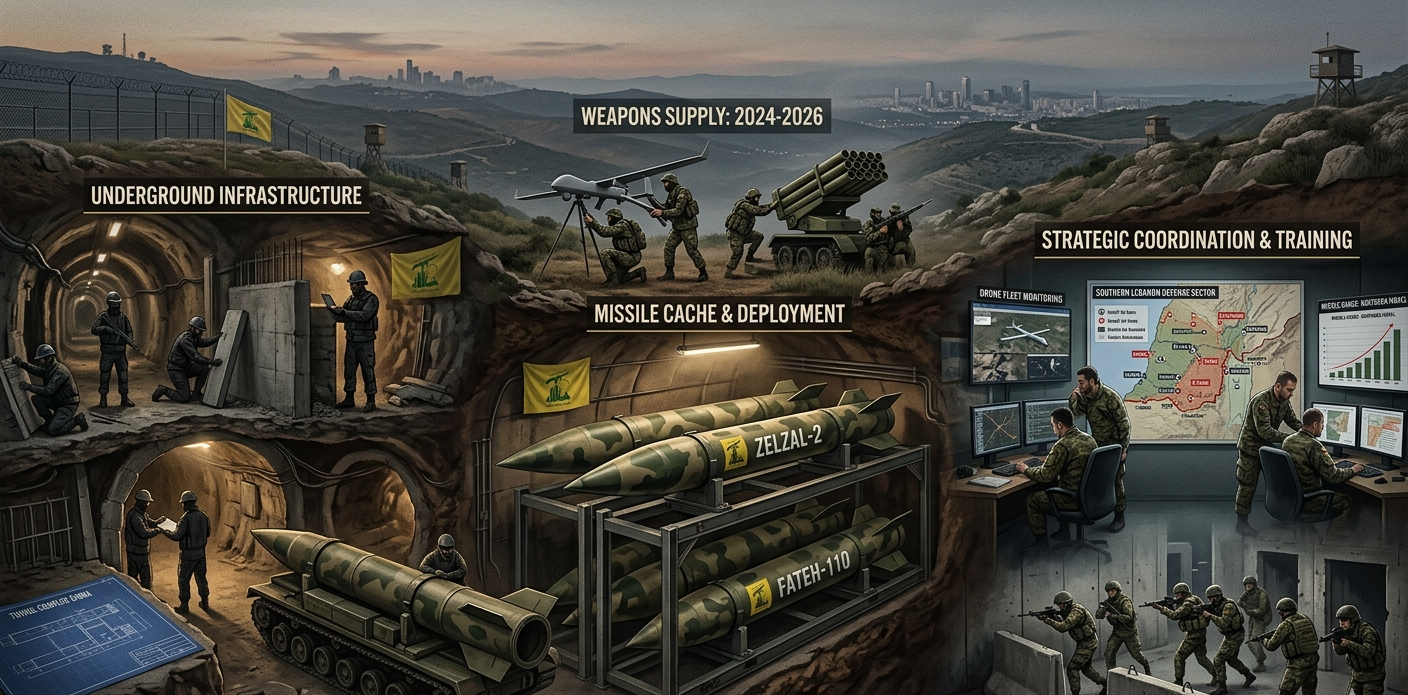
After renewed fighting in 2026, analysts note that Hezbollah now operates a leaner, more flexible force focused on attrition rather than large-scale territorial defense. The group has shifted toward drones, missile units, and small specialised teams designed to maintain pressure on Israeli forces while limiting its own losses.
A key transformation has taken place in command and control. Weaknesses exposed during the 2024 conflict—particularly disrupted communications and delayed decision-making—have been addressed through restructuring. Hezbollah now combines tighter central command with greater autonomy for mid-level commanders, allowing faster battlefield responses.
The group has also moved away from mass troop deployments, prioritising quality over quantity. Infantry and non-specialist units are largely kept in reserve, while drone and missile forces carry the main operational burden.
Its doctrine has shifted from holding territory at any cost to sustaining continuous attrition against Israel. Even temporary loss of ground is now seen as acceptable if it enables prolonged resistance and prevents Israeli consolidation.
Despite these military adaptations, Hezbollah’s biggest vulnerability remains internal. Lebanon’s economic crisis, political tensions, and social instability could ultimately shape the group’s ability to sustain long-term conflict more than battlefield dynamics.