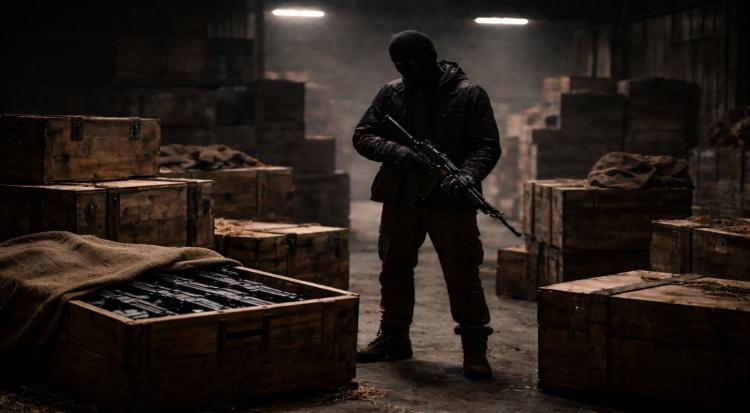
Weapons originating in the Balkans are continuing to surface in criminal networks across the European Union, according to investigative reporting that traces long-standing trafficking routes from southeastern Europe into major EU cities.
The Balkans, which experienced widespread armed conflict during the 1990s, remain a significant source of illicit firearms, including military-grade rifles and handguns. Security analysts say surplus stockpiles, weak oversight and organised smuggling networks have enabled weapons to move across borders despite EU enforcement efforts.
Investigations have documented how firearms are transported through informal routes and sold on the black market, often ending up in the hands of organised crime groups. Authorities in several EU countries have reported seizures of Balkan-origin weapons linked to violent offences.
European officials have acknowledged the challenge of dismantling entrenched trafficking pipelines, warning that illegal arms flows continue to pose a threat to public safety and regional stability.
Governments in the Balkans have pledged cooperation with EU agencies to curb trafficking, though experts say enforcement gaps and corruption remain ongoing concerns.