AfD Surge in Eastern Germany Leaves Some Immigrants Questioning Their Future
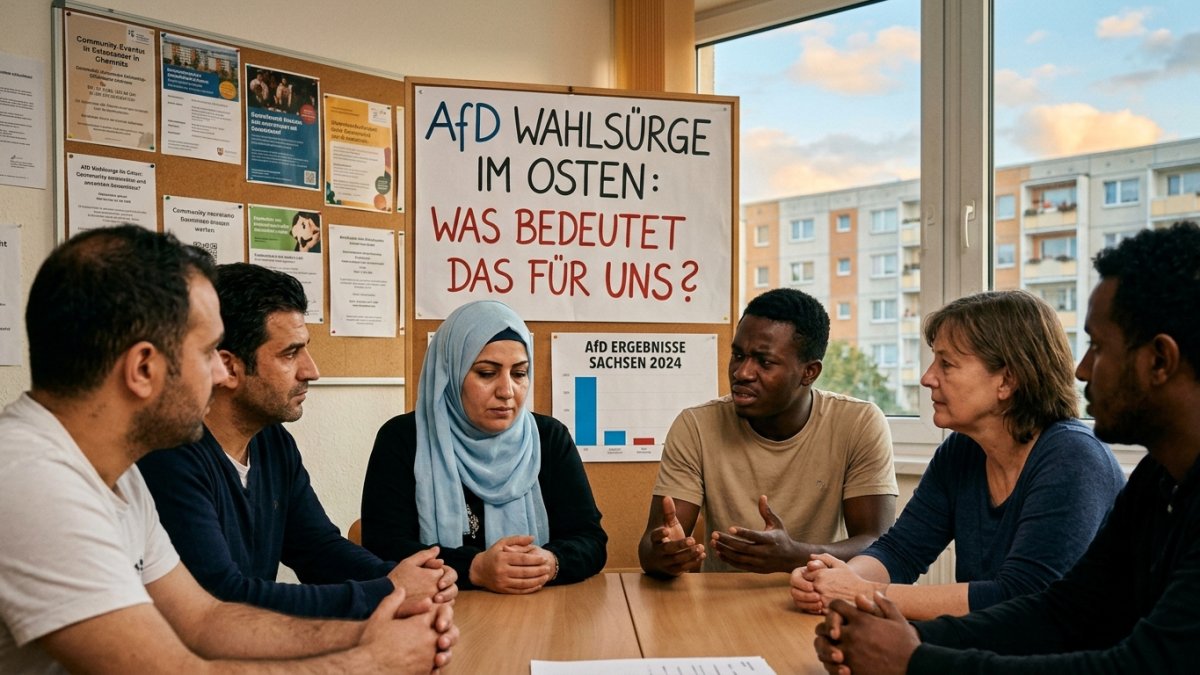
Growing support for the Alternative for Germany (AfD) in eastern Germany is causing some immigrants to question whether they still have a future in the country.
In Rostock and nearby Schwerin, migrants interviewed said they had experienced increasing hostility in recent years, ranging from verbal abuse and demands to leave Germany to other forms of harassment. Some said they would consider moving elsewhere if conditions continue to deteriorate.
The concerns come as the AfD gains momentum across eastern Germany. In Saxony-Anhalt, the party recently won a major regional election, while polls ahead of Sunday’s election in Mecklenburg-Western Pomerania indicate it could become the largest party there.
The AfD supports tighter immigration controls and has promoted the concept of “remigration”. Party officials say their policies target people without a legal right to remain rather than skilled foreign workers. Critics argue that the party’s broader rhetoric contributes to an increasingly hostile environment for migrants.
The issue also has economic implications. Eastern Germany faces an ageing population and labour shortages, while tens of thousands of people with migration backgrounds are already working in Mecklenburg-Western Pomerania. More than 900,000 Syrians live in Germany, many of whom arrived during the Syrian war.
For some immigrant families who have built their lives in Germany, the political shift has therefore raised a difficult question: whether the country they now consider home will continue to feel like one.