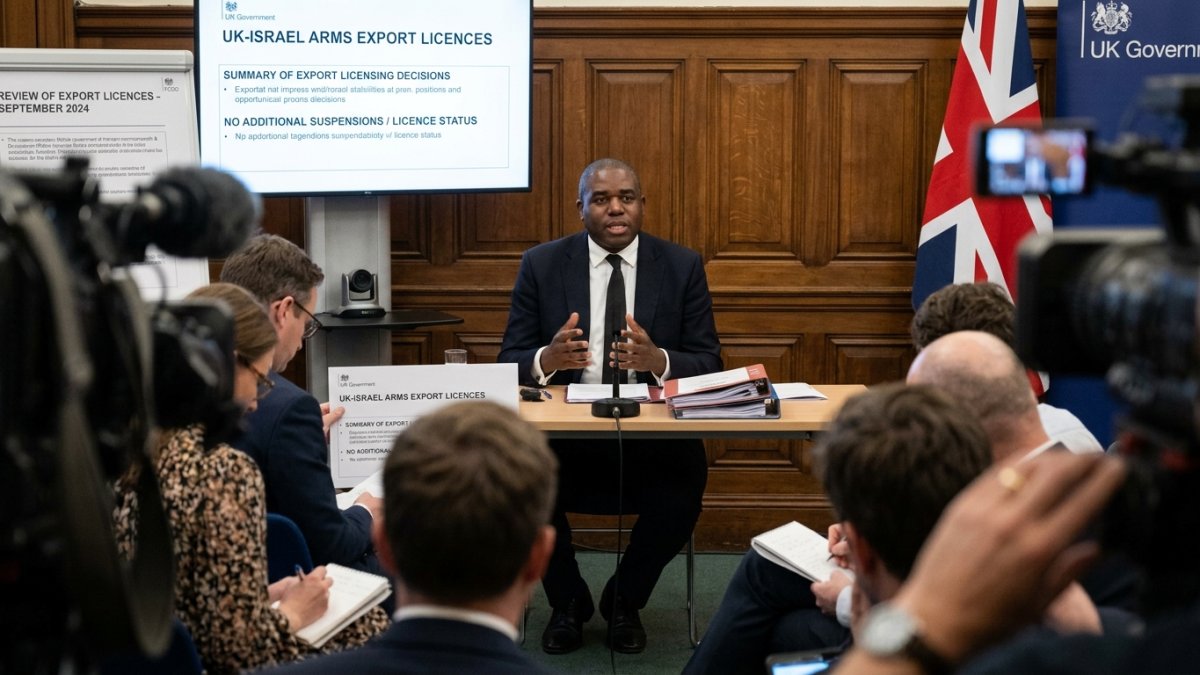
A parliamentary disclosure has shown that the UK has not suspended or revoked any additional arms export licences for Israel since the government announced new restrictions on 8 September.
The measures were presented as a “double lock” and included plans to prohibit trade with illegal settlements, alongside refusing export applications for items that would materially contribute to Israel’s occupation of Palestinian territory. The Department for Business said licences for equipment that could contribute to the occupation had already been suspended because of Israel’s conduct in Gaza. Existing licences remain under review and could be withdrawn if found to provide material support to the occupation.
F-35 and training aircraft exemptions remain
British-made F-35 components continue to enter an international supply pool accessible to Israel under an exemption for the multinational programme. Parts for Israel’s M-346 military training aircraft also remain eligible for export.
The government says M-346 components are not used in Gaza and do not materially support the occupation. The Foreign Office has previously said the aircraft train Israeli pilots and contribute to developing the air force’s offensive capabilities.
Campaigners question the restrictions
Critics say the exemptions and the absence of further licence suspensions limit the practical effect of the policy. Oxfam, the Global Legal Action Network and Campaign Against Arms Trade have called for wider restrictions, including an end to F-35 and military training aircraft components and a comprehensive two-way arms embargo.
The government’s stated position is that export licences remain subject to review and may be withdrawn if they are found to materially support the occupation.