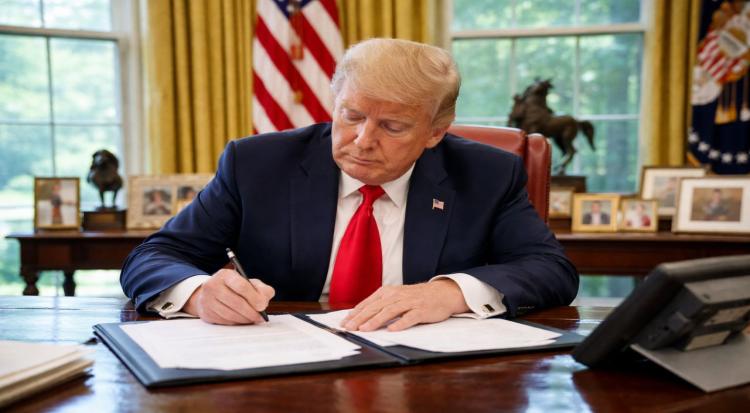
President Donald Trump announced on January 12, 2026, that the United States would impose a 25% tariff on imports from any country conducting business with Iran. The policy aims to economically isolate Tehran by penalizing its trading partners, building on Trump's "maximum pressure" campaign against Iran's nuclear program and regional activities.
Speaking at a White House briefing, Trump stated the measure would apply to nations failing to curb trade with Iran, particularly in oil, weapons, and sanctioned goods. "Countries doing business with Iran will pay a heavy price—25% on everything they send us," he said, emphasizing protection of American interests and allies like Israel and Saudi Arabia. Administration officials clarified the tariffs would phase in over 90 days, with exemptions possible for compliant nations via bilateral deals.
Iranian Foreign Ministry spokesperson Nasser Kanaani condemned the move as "economic terrorism," vowing retaliation through OPEC allies and closer ties with China and Russia. European Union trade commissioner Valdis Dombrovskis expressed concerns over disrupted global supply chains, urging negotiations. Analysts note potential impacts on major oil exporters like India and Turkey, which maintain limited Iran trade despite sanctions. The announcement aligns with Trump's reelection pledges for aggressive foreign policy.