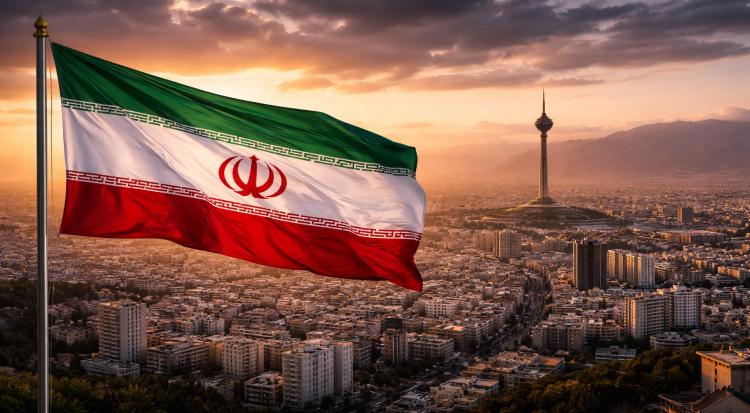
Iran is facing growing political uncertainty following the death of Supreme Leader Ayatollah Ali Khamenei, raising questions about who will lead the country during a period of escalating regional conflict.
Khamenei, who served as Iran’s supreme leader for more than three decades, held ultimate authority over the country’s political and military institutions. His death has triggered a formal process to select a successor, led by Iran’s Assembly of Experts, the body responsible for appointing the country’s highest leader.
Several figures have been discussed as potential successors, including Khamenei’s son Mojtaba Khamenei, who is believed to have strong support among influential elements of Iran’s political and security establishment.
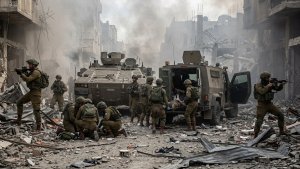
The leadership transition comes at a sensitive moment as Iran remains engaged in a widening confrontation with Israel and the United States. Analysts say the succession process could shape Iran’s domestic politics and foreign policy for years to come, with uncertainty surrounding whether the next leader will maintain the current hardline approach or pursue a different strategy.