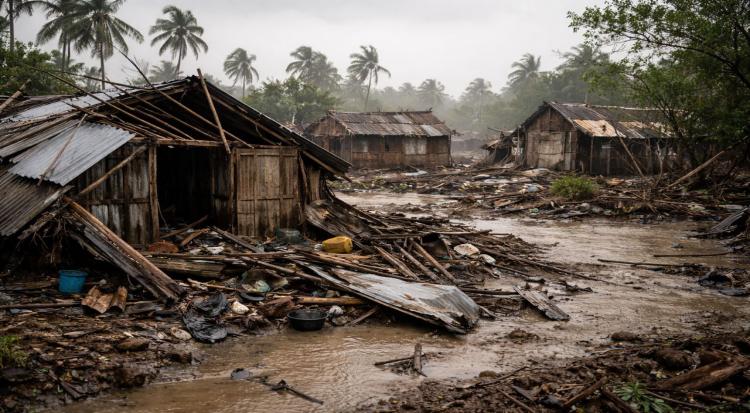
Cyclone Gezani has left dozens dead and hundreds injured as it tore through Madagascar earlier this month, delivering one of the most powerful landfalls the Indian Ocean island nation has seen this cyclone season. The storm hit the east coast near the port city of Toamasina on 10 February 2026, with sustained winds reaching up to 250 km/h (155 mph), causing widespread destruction and flooding.
According to an updated cyclone report, the storm has now been linked to at least 43 confirmed deaths, including 32 in Toamasina Province, with at least 427 people injured and six still missing. The disaster destroyed nearly 18,800 homes, damaged more than 51,000 others, and displaced over 16,000 people, while a total of 269,000 people are classified as disaster victims by relief authorities.
Madagascar’s National Office for Risk and Disaster Management described the damage in Toamasina as “monstrous,” with roughly 75 % of buildings reported destroyed or badly damaged. After crossing the island, Cyclone Gezani weakened as it moved into the Mozambique Channel, where it could reorganize and threaten coastal areas of Mozambique.
The storm comes less than two weeks after Cyclone Fytia, which also caused fatalities and displacement in northwest Madagascar, highlighting the region’s vulnerability during the cyclone season.