

The fallout from the US military operation capturing Venezuelan President Nicolás Maduro on January 3, 2026, continues to reshape the country three weeks later.
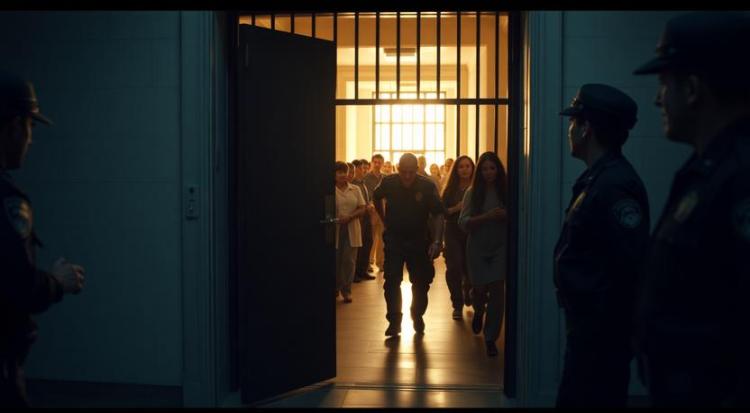
By January 26, Venezuelan authorities under acting President Delcy Rodríguez had released 250 political prisoners—long-held in local prisons for dissent—out of over 800 estimated in custody, a move human rights groups credit to US leverage following the "Operation Absolute Resolve" strikes in Caracas. These releases, starting January 8 as a gesture of goodwill amid de-escalation talks, included foreign detainees and 104 freed on January 25 alone, though reports emerged of 14 journalists briefly detained in early retaliation, with 13 later released; hundreds more remain.
In parallel, the US secured a major 50-million-barrel oil deal with Rodríguez's government, including an initial $300 million payment received on January 20 to stabilize Venezuela's battered economy.
Trump hailed these steps as progress toward transition, despite retracted claims of direct US governance and ongoing oil blockades. Critics decry the intervention as imperial overreach violating sovereignty, while supporters point to eased repression. With Maduro facing narcoterrorism trials in New York, Venezuela navigates fragile reforms amid economic incentives and international scrutiny.










