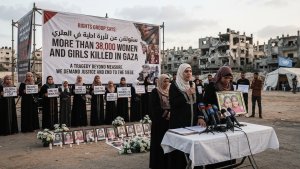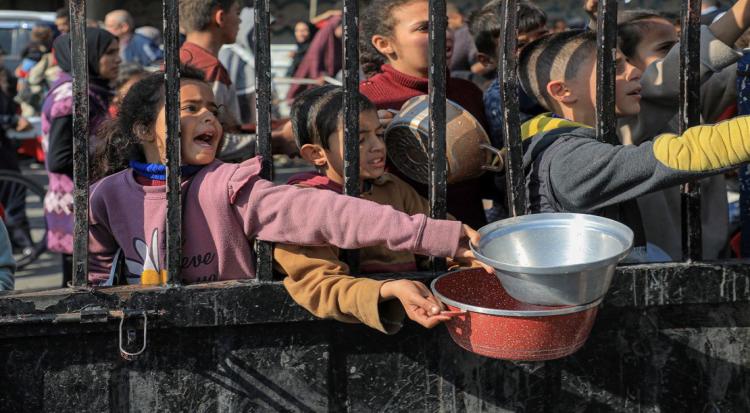
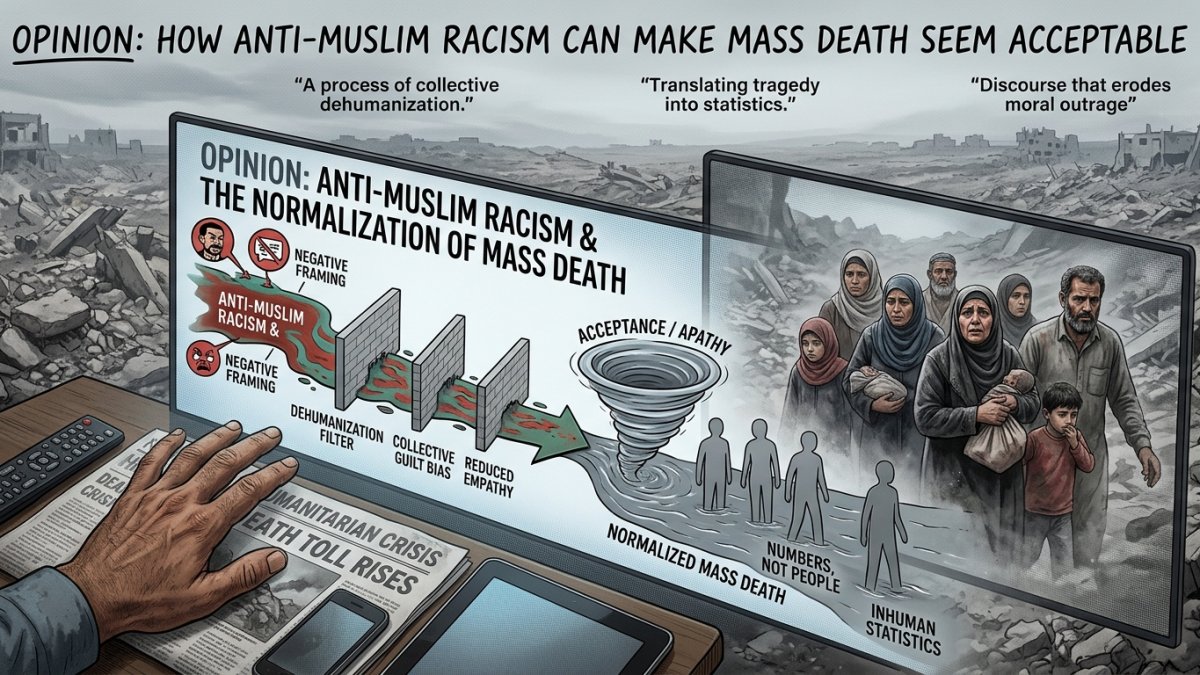
An opinion article argues that anti-Muslim racism can make mass civilian death easier for societies to accept. When Muslim communities are repeatedly described through suspicion, danger or collective blame, the suffering of individual people can be pushed out of view and public calls to protect them can lose urgency.
The commentary’s central concern is a hierarchy of whose lives are treated as fully grievable. It argues that language and political framing can portray Muslim civilians as an undifferentiated population or as an inherent security threat, making harm to them appear inevitable or less worthy of attention. Such framing, the author contends, can influence how audiences respond to violence and how leaders explain their choices.
The article connects prejudice in public discourse with broader systems of power. It argues that anti-Muslim racism is not limited to individual hostility: it can also shape institutions, media coverage and policy debates, affecting whose testimony is trusted and whose losses receive sustained attention. These are the author’s interpretations and arguments, rather than findings from a new statistical study.
The piece calls for more consistent attention to civilian life, equal standards of human dignity and scrutiny of political language that normalizes harm. Its argument is that opposing racism requires recognizing how collective stereotypes can lower resistance to mass suffering and weaken demands for accountability, regardless of the identity of the people affected.