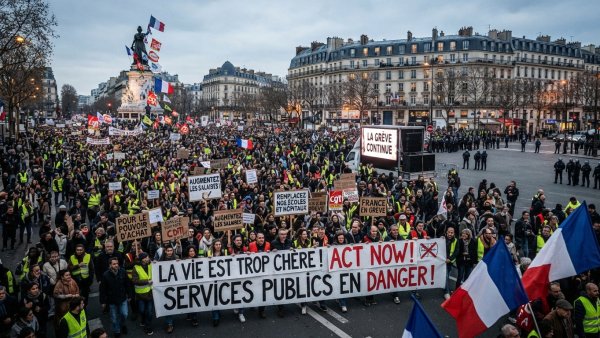
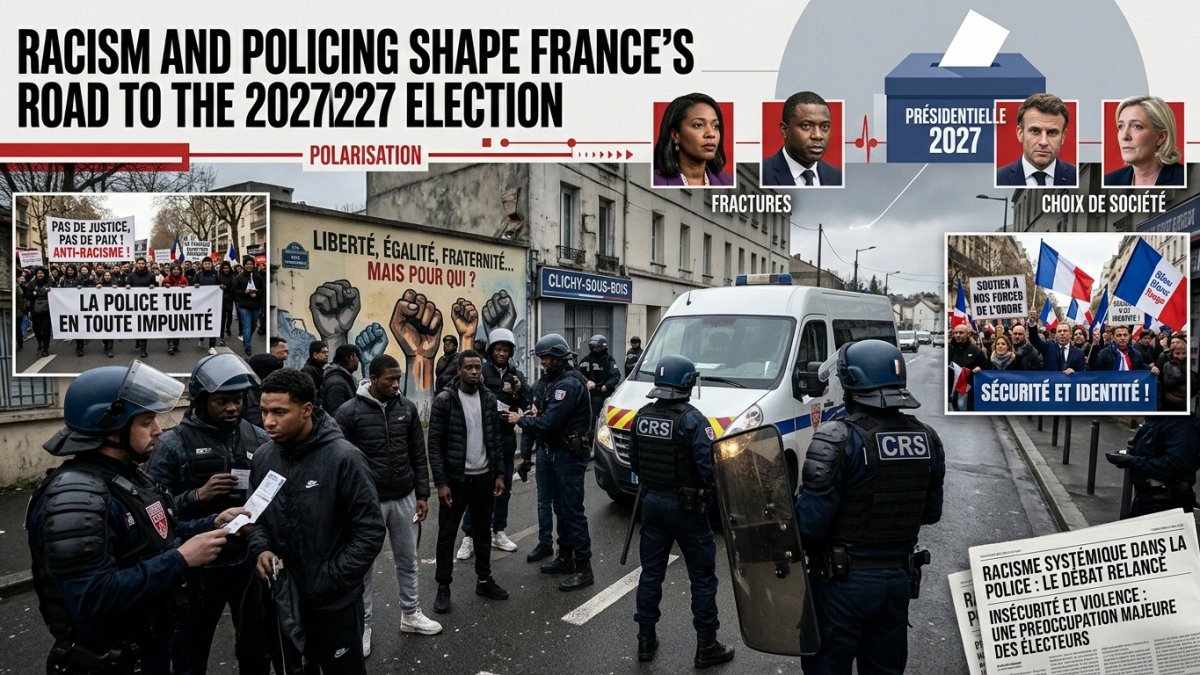
France is heading toward its 2027 presidential election amid a wave of protests, arguments over police powers and growing concern about racist violence. Demonstrations that began with students demanding better school conditions have expanded into a broader movement over living costs and public services. Clashes and looting at some rallies have become a focus of political debate.
Anti-racist organisations say language that portrays residents of immigrant-background suburbs as a threat can legitimise attacks against them. SOS Racisme has warned that repeated dehumanising rhetoric about people perceived as Arab, Black or Muslim risks encouraging violence. Human-rights advocates have also criticised laws they say expand police powers and restrict protest, while Amnesty International has raised concerns about the policing of recent demonstrations.
Competing accounts of protest violence: Government figures and right-wing politicians have blamed parts of the left, including France Unbowed, for fuelling unrest. The party rejects the accusations. Intelligence assessments cited in the public debate reportedly found no evidence that established left-wing parties organised the violence, and internal accounts have been described as conflicting with the government’s political claims.
The broader dispute reflects a polarised campaign environment in which immigration, Islam, public order and civil liberties are increasingly prominent. The allegations about particular attacks and responsibility remain contested; they should be assessed through investigations rather than assumed from political statements. The election campaign is likely to intensify these disagreements.