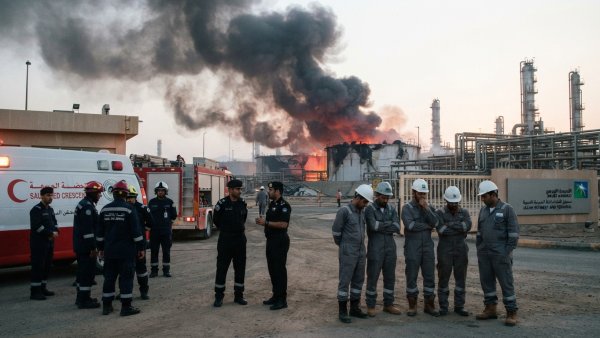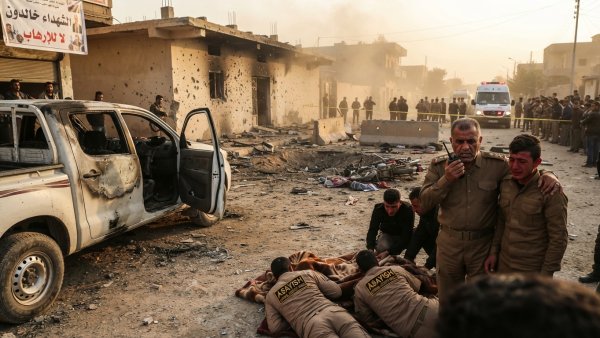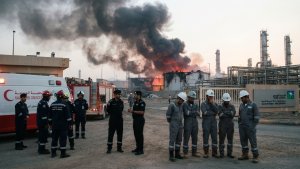

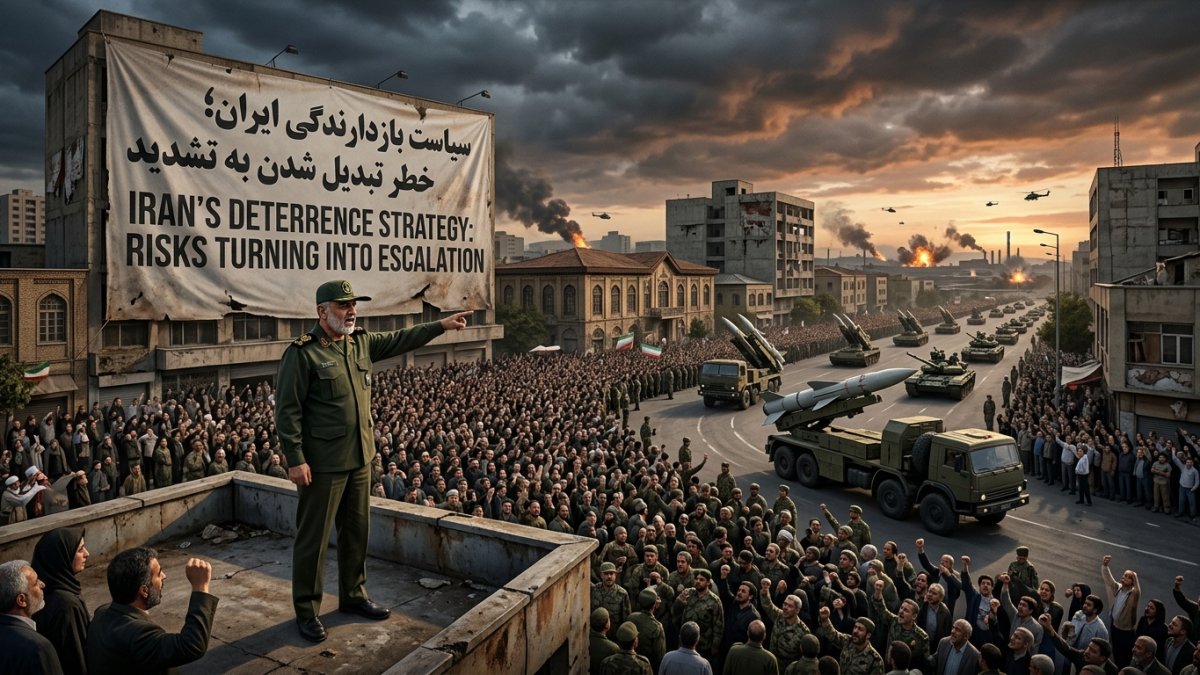
Iran’s latest military warning is intended to deter another attack, but an expansive threat can also make a new conflict more likely. That is the central risk in Tehran’s promise to respond to any future threat without geographical limits.
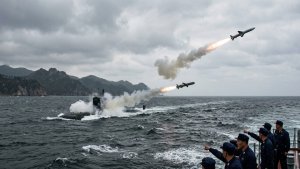
Iran cannot match the United States in conventional air and naval power. Its strategy instead relies on missiles, drones and the ability to threaten military sites and shipping routes across the region. By signalling that the costs of a strike could spread beyond Iran, Tehran hopes to discourage Washington and Israel from assuming that a limited attack would remain limited.
Deterrence can become a trap
The same message may be read differently by Iran’s adversaries. A warning that Iranian forces are preparing to target a broad range of assets can be interpreted as evidence of an imminent offensive. The United States or Israel could then decide to strike before those capabilities become harder to contain. Retaliation would reinforce Tehran’s belief that it needs stronger deterrence, creating a cycle in which defensive preparations appear offensive to the other side.
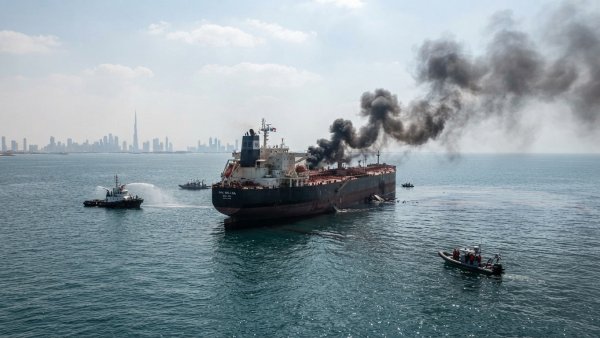
Control of the Strait of Hormuz adds economic pressure to the military risk. Even without a prolonged closure, uncertainty over shipping can raise insurance costs and disrupt energy flows. That leverage, however, also carries costs for Iran and its neighbours and could draw a wider international response.
Diplomacy remains the safer route, but the sides disagree over the order of concessions. Threats may strengthen bargaining power only if they leave room to negotiate. If each side treats the other’s preparations as proof that war is inevitable, deterrence can become the trigger it was meant to prevent.