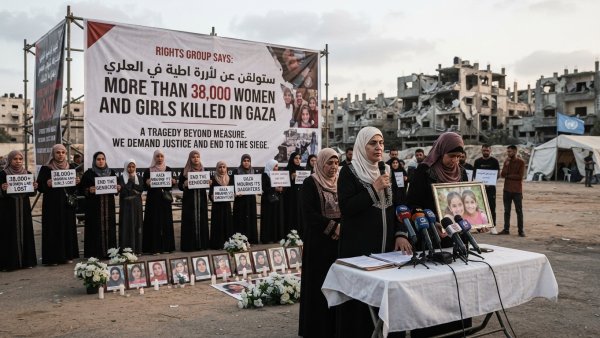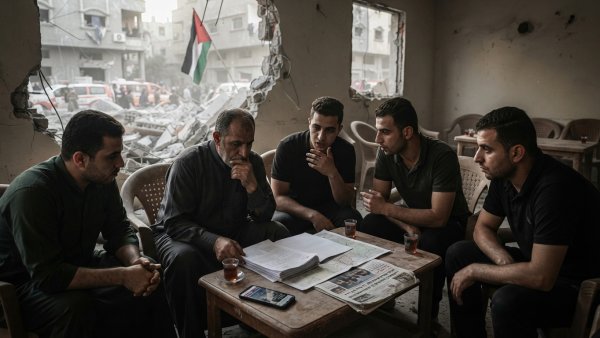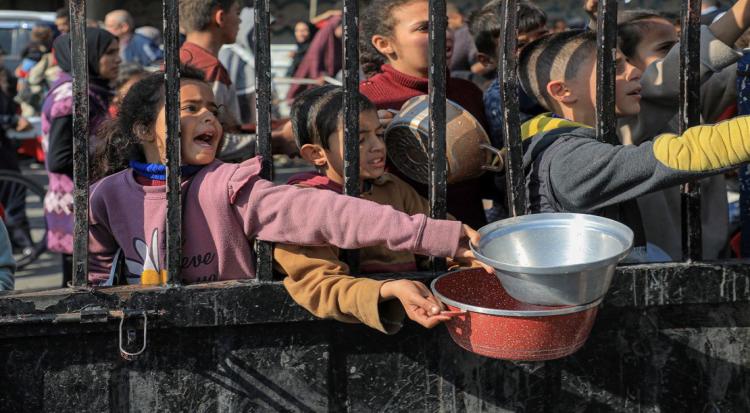
Heavy rain has turned makeshift shelters across Gaza into waterlogged, cold and unsafe places for families already displaced by war. People living in tents and damaged buildings face flooded bedding, weakened shelters and limited protection from the winter weather. For families dealing with injuries, illness or shortages of basic supplies, each storm brings fresh risks.
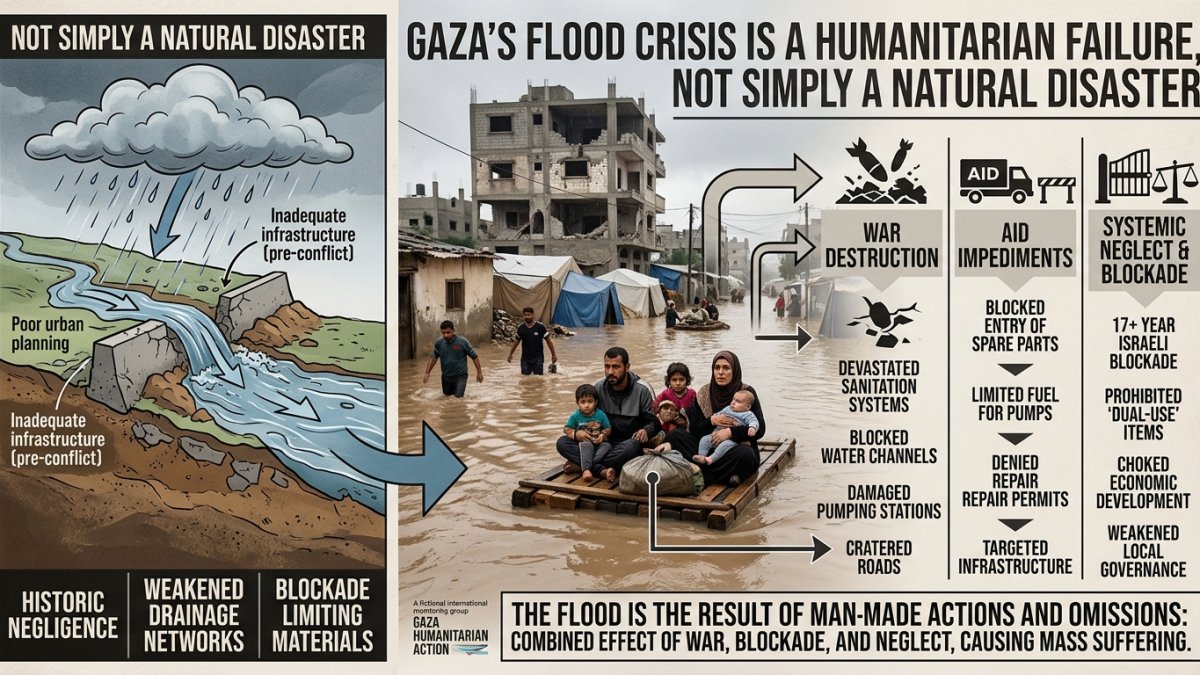
The commentary argues that the scale of the harm cannot be understood as weather alone. Years of destruction have left homes, roads, drainage and sanitation systems badly damaged, while many displaced people have few safe places to move. United Nations figures cited in the discussion estimate that about 1.4 million people are living in inadequate conditions. Humanitarian officials have also warned that large quantities of shelter supplies remain outside Gaza as stocks inside the territory run low.
The article places particular emphasis on restrictions affecting aid agencies and the entry of tents, medical items and other supplies. It says these barriers leave relief groups unable to meet urgent needs as temperatures fall and storms intensify. Those claims are part of the author’s argument about policy and responsibility; they should be distinguished from the immediate weather impact reported by residents and aid workers.
The author also criticises Western governments, arguing that diplomatic statements and announced measures have not yet produced enough pressure to change conditions on the ground. The central point is that exposure to predictable winter hazards grows when people lack durable shelter, functioning infrastructure and timely assistance. The piece is an opinion argument about political responsibility, rather than a neutral finding that flooding itself was deliberately caused.