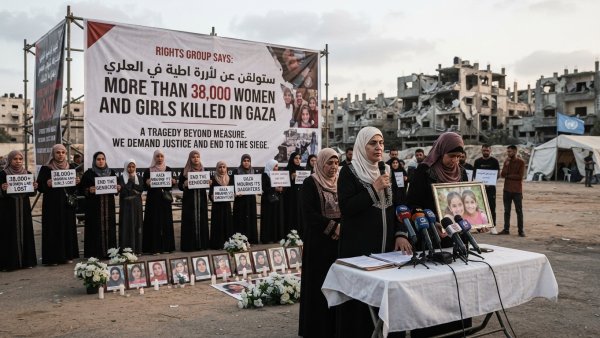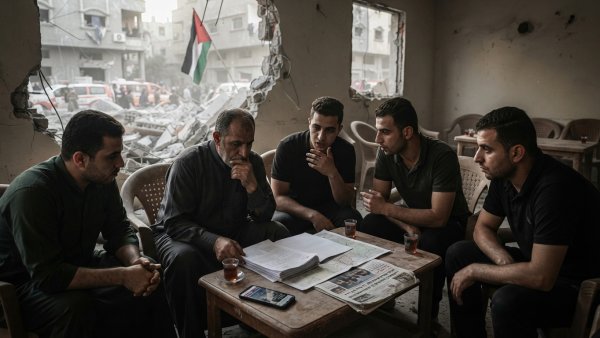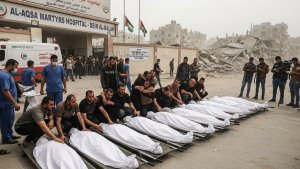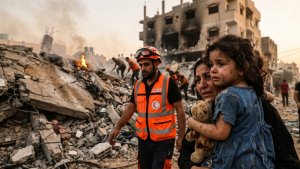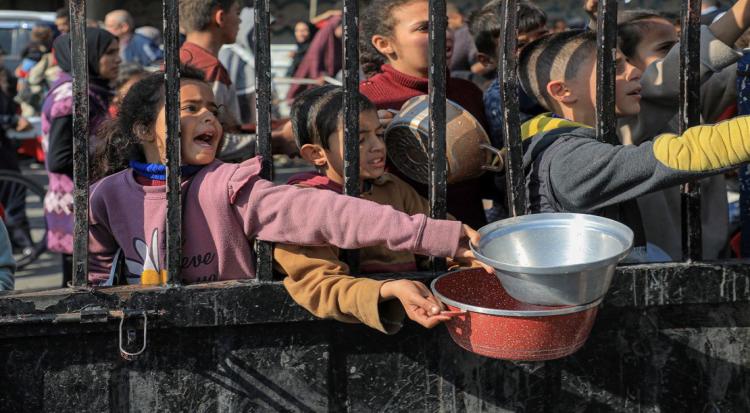
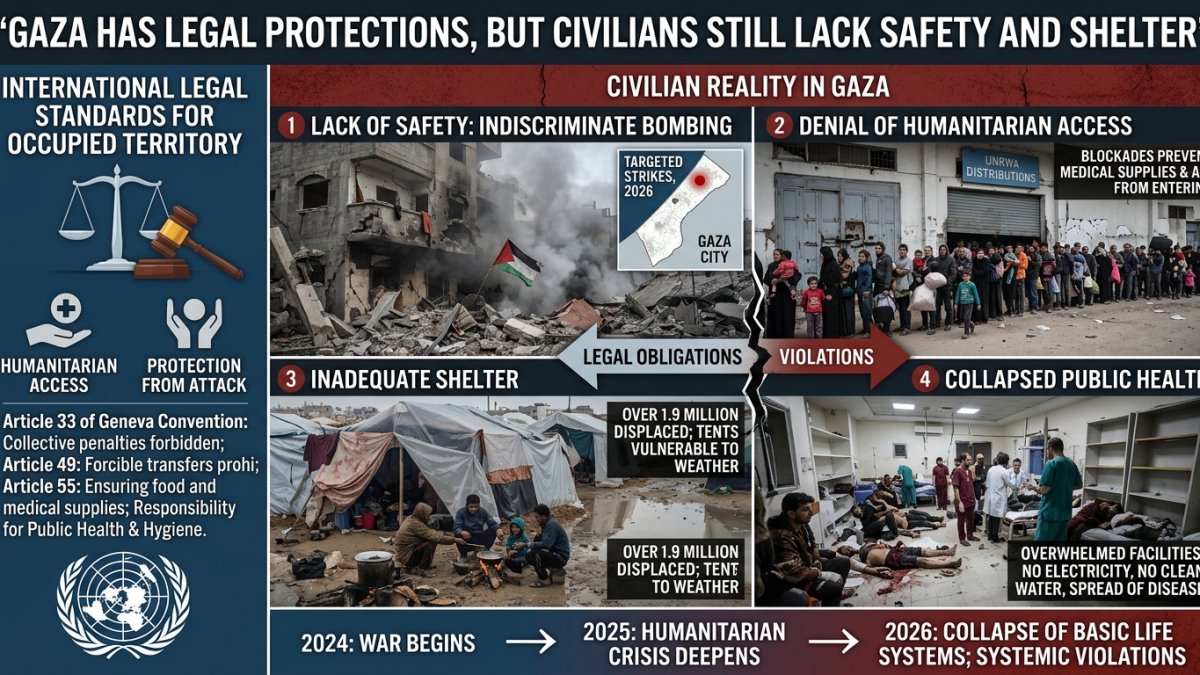
Gaza’s civilians are protected by international humanitarian law, yet many families still lack safe shelter, clean water and reliable access to medical care. Recent storms have flooded displacement sites, damaged tents and exposed children to cold, underscoring how a legal framework can coexist with acute danger when protections are not implemented on the ground.
The Geneva Conventions require parties to a conflict to protect civilians and facilitate humanitarian relief. The International Court of Justice has issued provisional measures in the case brought by South Africa, ordering steps to prevent acts prohibited by the Genocide Convention and to enable urgently needed assistance. Those orders are binding, but they are not a final ruling that genocide has occurred. The International Criminal Court’s warrants concerning Israeli leaders likewise involve allegations and are not convictions.
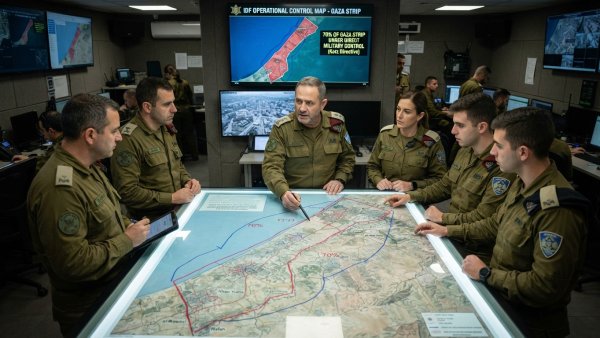
The ongoing crisis raises a broader question about enforcement. Courts can clarify obligations and humanitarian agencies can identify urgent needs, but access to shelter materials, medical equipment and other essentials depends on practical decisions by authorities and political pressure from other states. Aid organisations have repeatedly warned that supplies and reconstruction materials are not reaching people at the scale required.
This analysis argues that legal rights have little practical value to civilians if they cannot obtain protection before the next emergency. It calls for consistent enforcement of humanitarian obligations, safe access for relief work and the delivery of essential supplies. Political negotiations may shape Gaza’s future, but civilians’ immediate rights to life, shelter, food and medical care do not depend on the outcome of those talks.