
Renewed US-Israeli military action against Iran would risk widening an already dangerous confrontation without guaranteeing a durable political outcome. The argument against another war rests not on confidence that tensions have disappeared, but on the likelihood that further force could multiply the costs and make a negotiated settlement harder to reach.
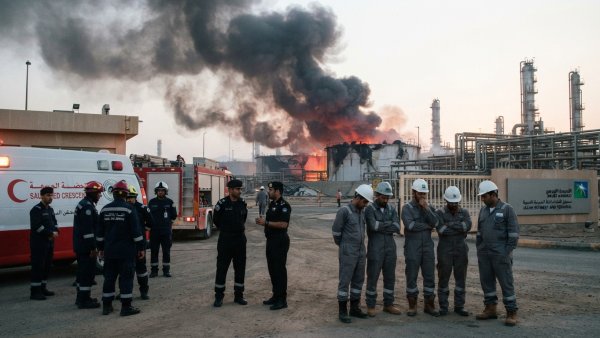
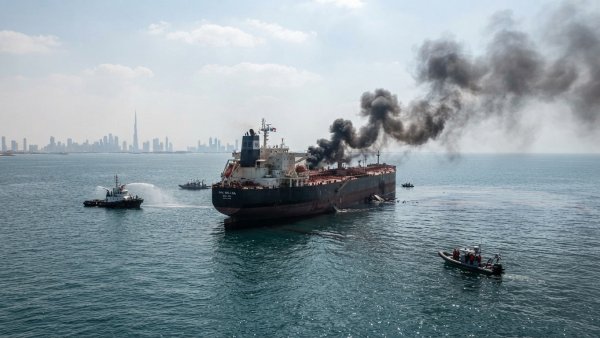
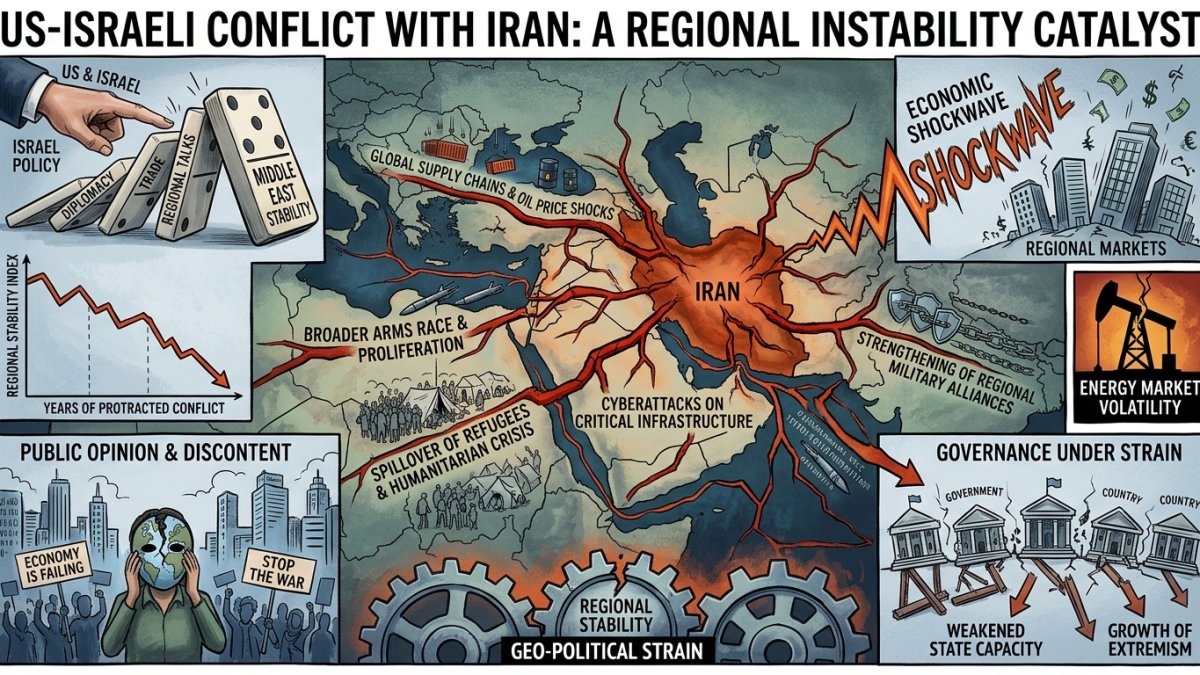
Iran has spent years preparing for conflict and could respond through missiles, drones, cyber operations and pressure on maritime routes. Any disruption around the Strait of Hormuz would affect energy shipments and could quickly push up prices well beyond the region. The conflict could also draw in neighbouring states that host foreign forces or are tied to the fighting through security partnerships.
The limits of military pressure
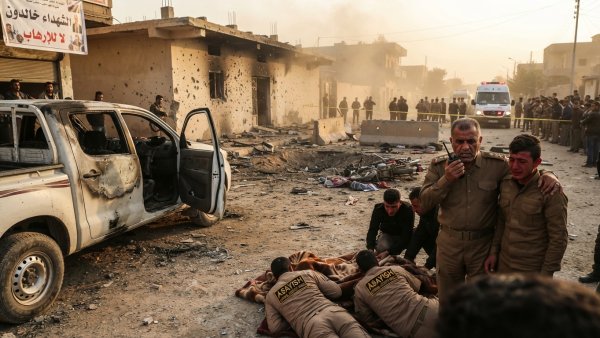
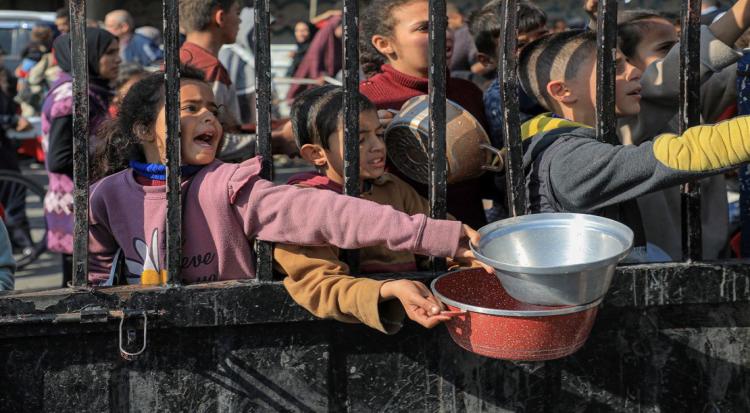
Air strikes may damage facilities, but they cannot by themselves resolve disputes over security, sanctions or Iran’s regional relationships. A new campaign could instead strengthen hardliners, encourage retaliation and leave civilian populations facing more destruction. Risks to shipping, infrastructure and communications would add to the economic fallout.
Diplomacy would be difficult and would require concessions and monitoring. Yet the alternative carries its own strategic danger: a cycle in which each side treats the other’s response as justification for another attack. Avoiding that spiral would require sustained negotiations and regional engagement, not a short pause followed by renewed force.
This is an analysis of potential consequences, not a prediction that a wider war is inevitable. The central concern is that another military adventure could produce costs that neither Washington nor its regional partners can easily contain.