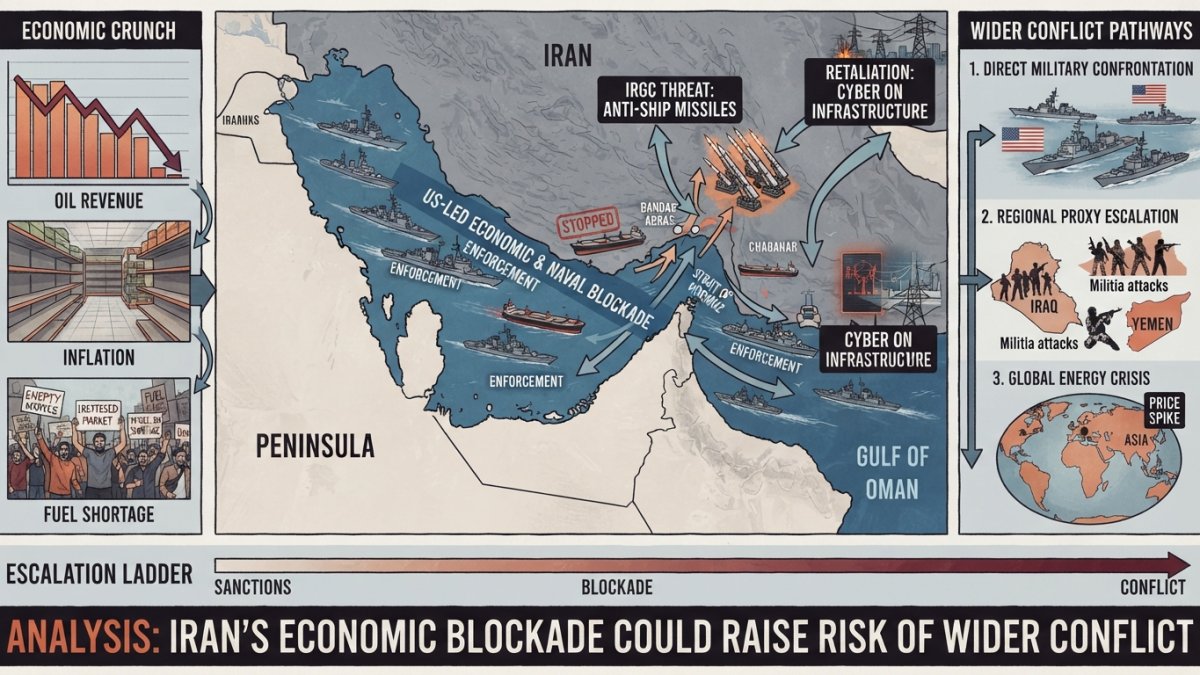
An analysis of the US-Iran standoff argues that intensified economic pressure could increase the risk of conflict if Tehran concludes that negotiations will not bring meaningful relief. The author’s central point is that economic damage does not automatically translate into political concessions and may instead strengthen a domestic narrative of resistance.
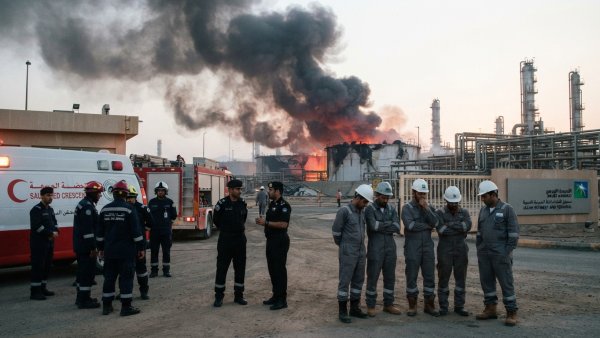
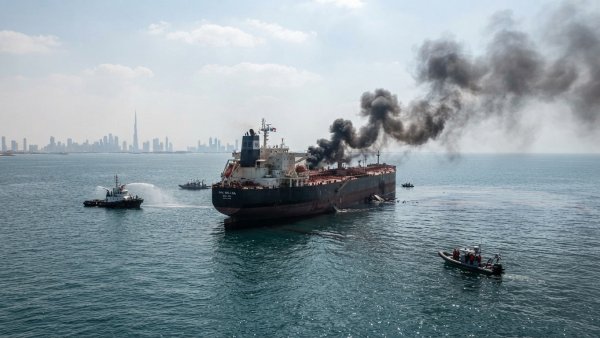
The piece describes maritime restrictions, sanctions and Iranian warnings as part of an escalating contest. It suggests that leaders in Tehran could view retaliation as a way to raise the cost of enforcement, while Washington may see tighter pressure as leverage for a deal. Those interpretations are the author’s analysis, not evidence that either government has decided to start a war.
The argument calls for linking any easing of restrictions to verifiable concessions and maintaining communication channels to reduce the danger of miscalculation. The article’s projections and strategic judgments should be read as commentary rather than established forecasts.